
The Water Knows My Name: Conversations with Indigenous Women

Indigenous women are considered to have a sacred relationship with water among many North American Indigenous communities, serving as stewards and protectors of lakes, rivers, and estuaries. 

At the same time, bodies of water are threatened by compounding climate impacts, biodiversity loss, and resource extraction. These challenges affect access to clean drinking water and impact Indigenous communities’ traditional knowledge and kinship with the landin particular, creating intersecting barriers for Indigenous women and girls.
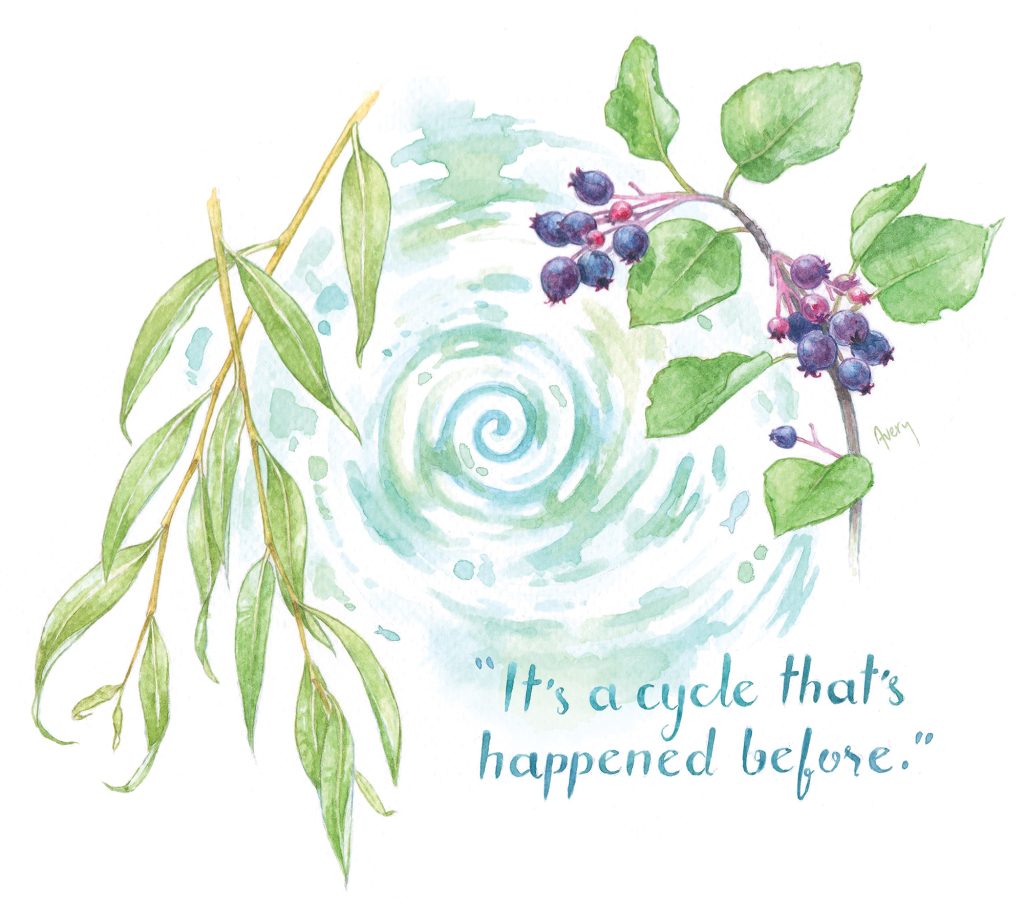
“It’s a cycle that’s happened before”

Artwork by Project Artist Avery Bowe

Stories of Resilience: Water – Indigenous Women across the Prairies is an initiative developed collaboratively by The Resilience Institute and the International Institute for Sustainable Development (IISD) through the Natural Infrastructure for Water Solutions (NIWS) initiative. Through Stories of Resilience: Water, we are engaging Indigenous women and girls in conversations surrounding their relationships with water, exploring themes that include cultural and personal values, access to the land, the health of water, climate change, sovereignty, and reconciliation to identify pathways forward amid a changing climate. 

“The water knows my name. It remembers my grandmother’s songs, and it carries my prayers beneath its winter ice. I walk beside it, not as an owner, but as a relative.”

Jill Decker

Controller

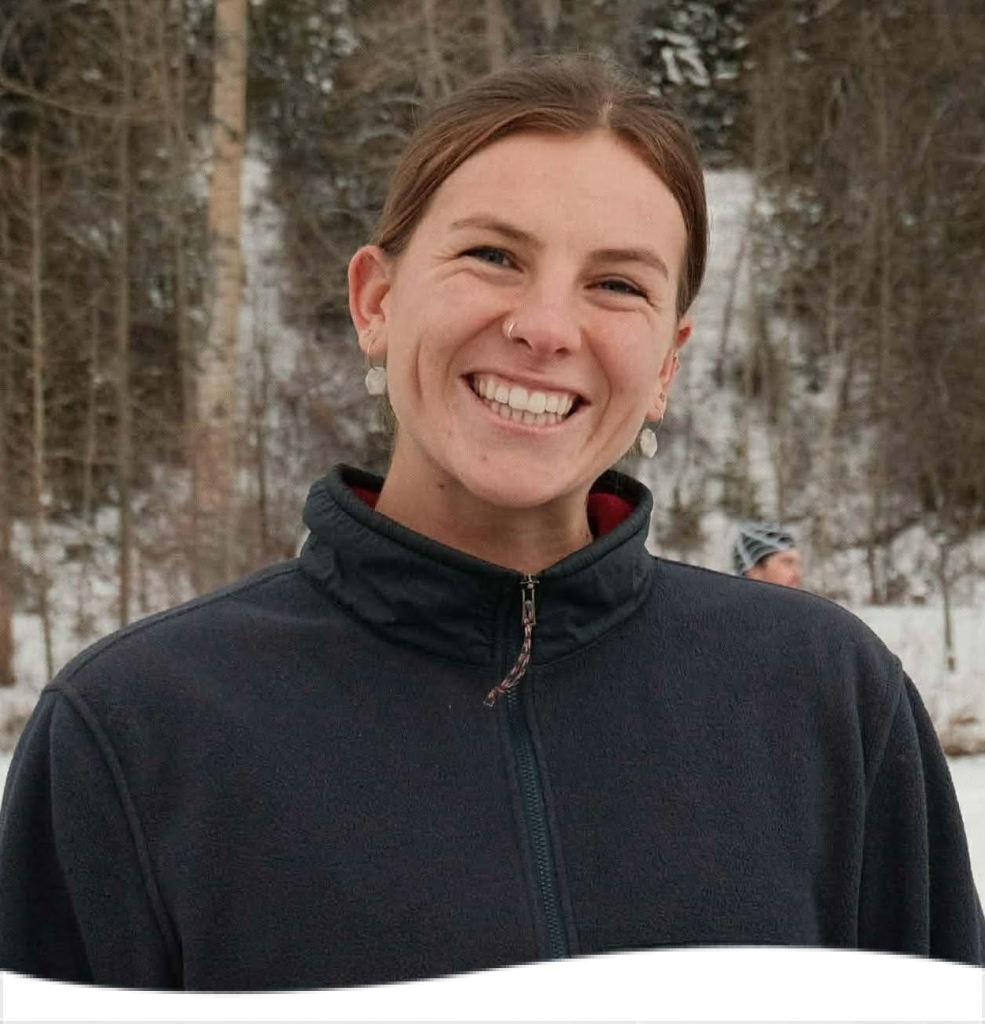
Jill brings 20 years of experience in financial reporting, assurance, and compliance, with a strong specialization in the not-for-profit sector.  She holds a Bachelor of Commerce (Accounting) from the University of Saskatchewan (2005) and a CPA (CA) designation, earned in 2010. Jill’s background in public practice has provided her with the opportunity to work with a variety of not-for-profit organizations in Alberta, as well as the joy of serving Canada’s Arctic over the past decade, supporting organizations in the Qikiqtaaluk Region of Nunavut. 

Cassidy Grimes

Climate Analyst & Coordinator

Cassidy holds a Master’s degree in Climate Change from the University of Waterloo, where she studied topics such as climate science, climate mitigation and adaptation strategies, and community planning for climate change. Cassidy is passionate about supporting communities in preparing for and adapting to climate change through education, community engagement, and applied research. Her work focuses on fostering climate resilience by connecting scientific knowledge with local experiences and community-driven solutions.

Laura Stewart

Board Member

Laura Stewart is the Community Wildfire Resilience Coordinator with Forsite Fire, supporting communities across Canada with wildfire risk assessments, mitigation planning, and program delivery. She has more than a decade of experience advancing wildfire resilience at Indigenous, municipal, provincial/territorial, and national levels. Previously, Laura served nearly eleven years as Alberta’s Provincial FireSmart Specialist, leading community, WUI, neighbourhood, and Home Ignition Zone programs, coordinating funding, and partnering with communities and fire services across the province. She has also served as Board Chair with both the Partners in Protection Association (FireSmart Canada) and the Community Wildfire Resilience Association of Alberta.


Sara Walsh, PhD

Board Member

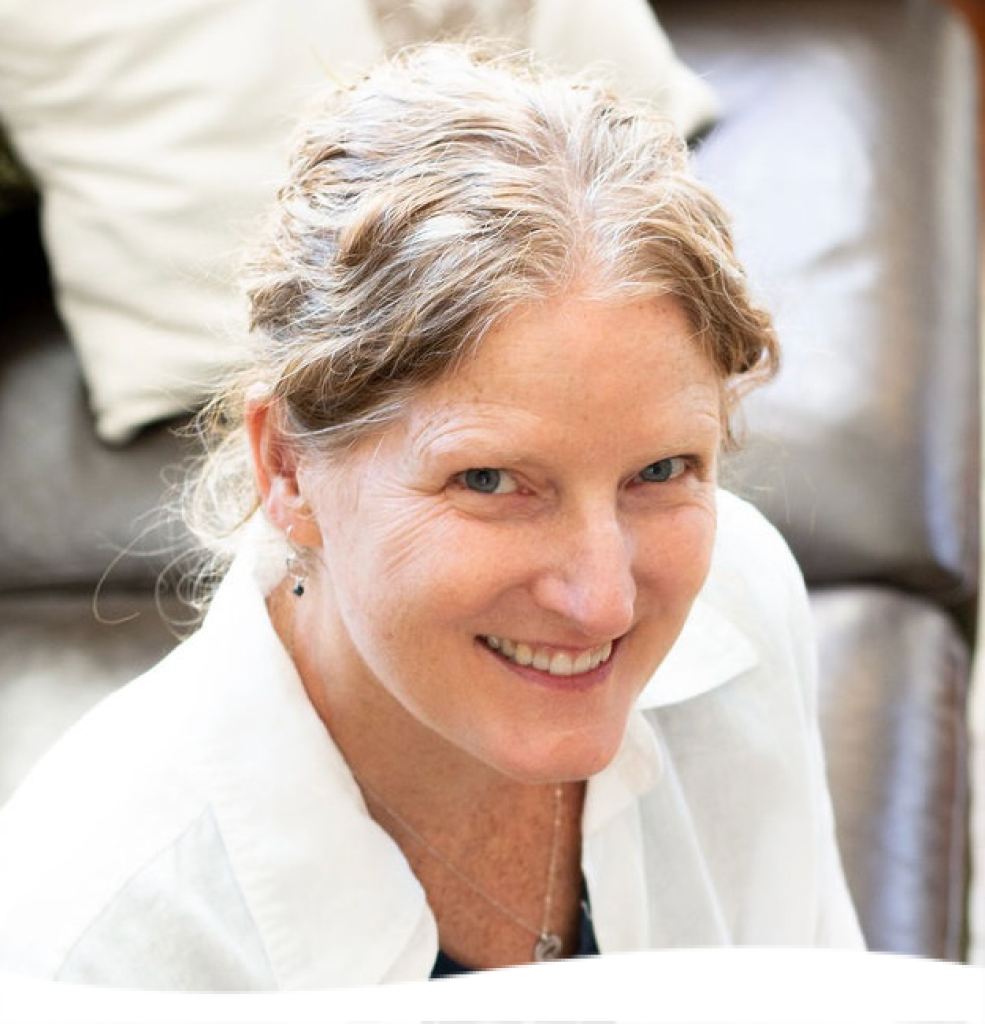
Sara Walsh, PhD, is a disaster risk reduction and climate resilience specialist with more than 15 years of experience spanning Canada, Nepal, the Middle East, and North Africa. Until November 2025, she served as Thematic Lead for Climate and Resilience with the International Federation of Red Cross and Red Crescent Societies (IFRC), where she supported Red Cross and Red Crescent Societies to strengthen their climate and risk reduction work across the region. Saracurrently works as a freelance consultant with the United Nations, governments, and humanitarian organizations on recovery, risk governance, and community-based resilience. Sara teaches at a Canadian university and holds a PhD in Disaster Risk Reduction. Her work emphasizes anticipatory action, equity, and bridging research with practice to shape more resilient and sustainable futures.

Alison Criscitiello

Board Member

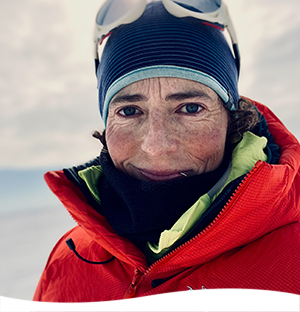
Alison Criscitiello, PhD, is an ice core scientist and high-altitude mountaineer who explores the history of climate and sea ice in polar and high-alpine regions using ice core chemistry. Alison’s work also focuses on environmental contaminant histories in ice cores from the Canadian high Arctic and the water towers of the Canadian Rockies. In 2010, she led the first all-women’s ascent of Lingsarmo, a 22,818-foot peak in the Indian Himalaya. Alison has earned three American Alpine Club (AAC) climbing awards, the John Lauchlan and Mugs Stump alpine climbing awards, as well as the first Ph.D. in Glaciology ever conferred by MIT. She is an Assistant Professor and the Director of the Canadian Ice Core Lab at the University of Alberta. She is the co-founder of Girls on Ice Canada.