
Stories of Resilience – Water: Indigenous Women across the Prairies

Stories of Resilience – Water aims to elevate the voices of those not commonly heard in climate change and water policy discourse and identify pathways forward.  

Indigenous women from across the prairies (AB, SK, and MB) are invited to take part in one-on-one conversations about water relationships, futures, and water issues impacting the Prairie provinces. These conversations are designed to recognize how individual and community relationships to water can inform and inspire change. 

Phase I is now complete, and the stories and insights shared by participants can be explored in the Stories of Resilience: Water StoryMap. The project is continuing into Phase II, and we are currently inviting more Indigenous women from across the Prairies to participate and share their perspectives. 

Explore Phase I: Tributaries 

In keeping with a water theme, this first phase of the initiative was referred to as “tributaries” by the project team. 

Tributaries are smaller streams and rivers that flow from many different places across the land, joining together to shape the direction and strength of a larger water system. In this phase of the initiative, “tributaries” reflects the role of early participants and conversations in helping identify connections, surface themes, and to guide what comes next. 
Participate in Phase II 

The Resilience Institute (TRI) invites Indigenous women from across the prairies (AB, SK, and MB) to take part in one-on-one conversations about water relationships, futures, and water issues impacting the Prairie provinces. These conversations are designed to recognize how individual and community relationships to water can inform and inspire change. 

What will I do? 

  • Receive a Stories of Resilience: Water knowledge-sharing package, a list of conversation questions, and a consent form to sign. An honorarium will be offered in recognition of participation. 
  • Take part in a 30 to 60-minute online conversation with a TRI associate about water-related themes. 


What will TRI do?
 

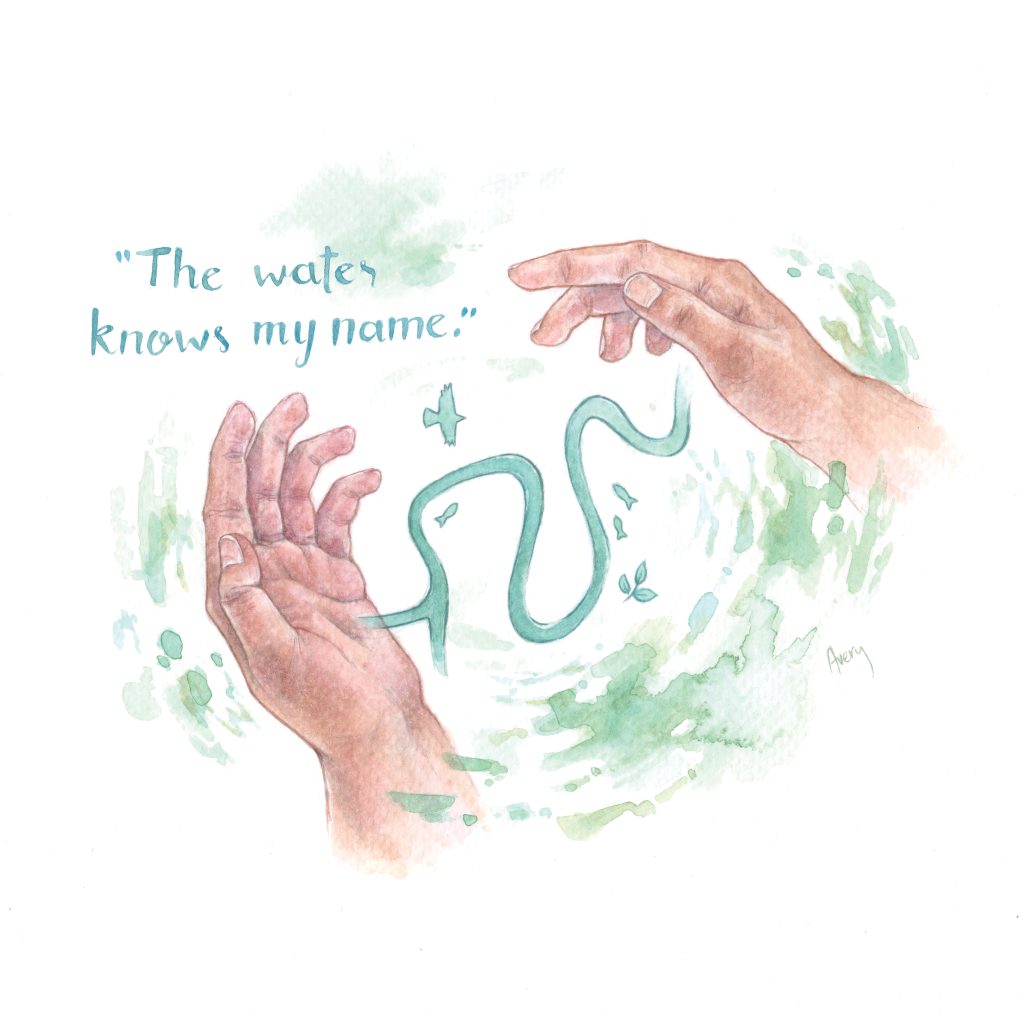
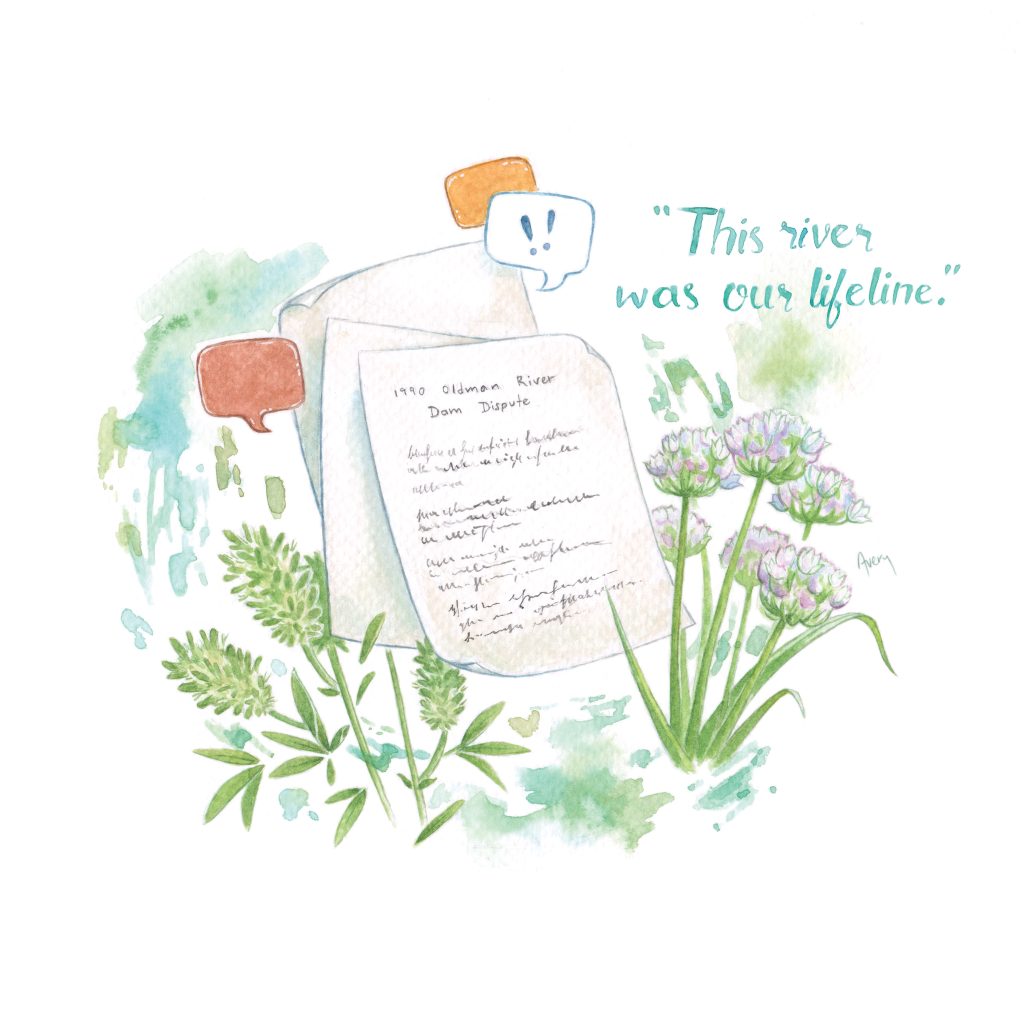
  • TRI will select quotes and stories from your conversation and translate them into a piece of art. 
  • TRI will ask your permission to use your quotes and stories, and if you are comfortable with your name being included. 
  • TRI will include your contribution and the accompanying artwork in an online Storymap and other online and printed materials as appropriate and send you final versions of the materials. 

Interested in participating? 

For more information, contact: stories@resilienceinstitute.ca 

Partners


With funding and support by:

 

The International Institute for Sustainable Development (IISD) is an award-winning independent think tank working to accelerate solutions for a stable climate, sustainable resource management, and fair economies. IISD’s work inspires better decisions and sparks meaningful action to help people and the planet thrive.


With thanks to support by:
PARC Logo (1)

The  Natural Infrastructure for Water Solutions  (NIWS) initiative is a multi-year project helping to scale up natural infrastructure on Canada’s Prairies — for cleaner water and more resilient communities. 
The "Stories of Resilience" logo, with a colourful phoenix in the middle.

Stories of Resilience – Water: Indigenous Women across the Prairies contributes to a growing collection of stories curated by The Resilience Institute – a testament to our shared understanding of the climate crisis. Audiences see, hear, and feel reflections of themselves in the narratives and artwork. They discover echoes of their own lives in communities like theirs, as the program brings people together in dialogue and creativity to reflect on resilience — recognizing that while a single story can change hearts and minds, our collective stories have the power to shape the future.   Join us in honouring these voices. Learn. Listen. Reflect. Share. Carry these stories into conversations about resilience and the future we are shaping together.  

To explore the journeys of our Stories of Resilience communities, click here. 
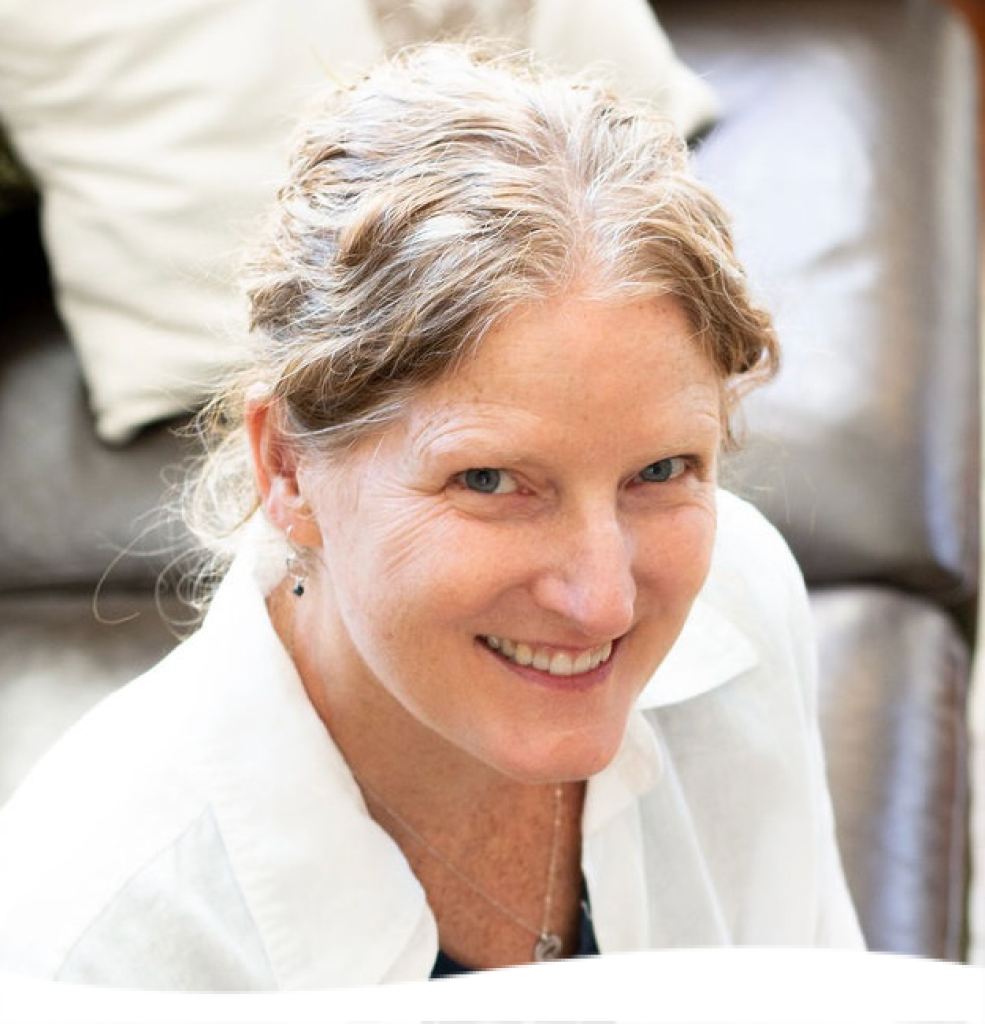
Nakita Rubuliak

Science Communicator and External Engagement Specialist

Nakita is a science communication professional with extensive experience in knowledge synthesis, fieldwork, art and design, and creative collaboration. Using a multidisciplinary lens, her work bridges research and storytelling, translating complex scientific topics into engaging messages and compelling graphics that resonate with a range of audiences.

Before joining TRI, Nakita worked as a Science Illustrator and Writer at Fuse Consulting and later with the Canadian Parks and Wilderness Society, experiences that nurtured her skills in science communication.

Above all, Nakita has a passion for connecting with people and communities, both in person and through visual storytelling. She approaches projects with a place-based lens and a deep respect for diverse perspectives and knowledge systems. 

Jill Decker

Controller

Jill brings 20 years of experience in financial reporting, assurance, and compliance, with a strong specialization in the not-for-profit sector.  She holds a Bachelor of Commerce (Accounting) from the University of Saskatchewan (2005) and a CPA (CA) designation, earned in 2010. Jill’s background in public practice has provided her with the opportunity to work with a variety of not-for-profit organizations in Alberta, as well as the joy of serving Canada’s Arctic over the past decade, supporting organizations in the Qikiqtaaluk Region of Nunavut. 

Cassidy Grimes

Climate Analyst & Coordinator

Cassidy holds a Master’s degree in Climate Change from the University of Waterloo, where she studied topics such as climate science, climate mitigation and adaptation strategies, and community planning for climate change. Cassidy is passionate about supporting communities in preparing for and adapting to climate change through education, community engagement, and applied research. Her work focuses on fostering climate resilience by connecting scientific knowledge with local experiences and community-driven solutions.

Laura Stewart

Board Member

Laura Stewart is the Community Wildfire Resilience Coordinator with Forsite Fire, supporting communities across Canada with wildfire risk assessments, mitigation planning, and program delivery. She has more than a decade of experience advancing wildfire resilience at Indigenous, municipal, provincial/territorial, and national levels. Previously, Laura served nearly eleven years as Alberta’s Provincial FireSmart Specialist, leading community, WUI, neighbourhood, and Home Ignition Zone programs, coordinating funding, and partnering with communities and fire services across the province. She has also served as Board Chair with both the Partners in Protection Association (FireSmart Canada) and the Community Wildfire Resilience Association of Alberta.


Sara Walsh, PhD

Board Member

Sara Walsh, PhD, is a disaster risk reduction and climate resilience specialist with more than 15 years of experience spanning Canada, Nepal, the Middle East, and North Africa. Until November 2025, she served as Thematic Lead for Climate and Resilience with the International Federation of Red Cross and Red Crescent Societies (IFRC), where she supported Red Cross and Red Crescent Societies to strengthen their climate and risk reduction work across the region. Saracurrently works as a freelance consultant with the United Nations, governments, and humanitarian organizations on recovery, risk governance, and community-based resilience. Sara teaches at a Canadian university and holds a PhD in Disaster Risk Reduction. Her work emphasizes anticipatory action, equity, and bridging research with practice to shape more resilient and sustainable futures.

Alison Criscitiello

Board Member

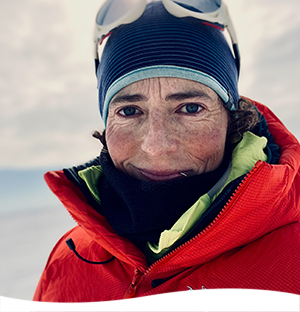
Alison Criscitiello, PhD, is an ice core scientist and high-altitude mountaineer who explores the history of climate and sea ice in polar and high-alpine regions using ice core chemistry. Alison’s work also focuses on environmental contaminant histories in ice cores from the Canadian high Arctic and the water towers of the Canadian Rockies. In 2010, she led the first all-women’s ascent of Lingsarmo, a 22,818-foot peak in the Indian Himalaya. Alison has earned three American Alpine Club (AAC) climbing awards, the John Lauchlan and Mugs Stump alpine climbing awards, as well as the first Ph.D. in Glaciology ever conferred by MIT. She is an Assistant Professor and the Director of the Canadian Ice Core Lab at the University of Alberta. She is the co-founder of Girls on Ice Canada.