Voices from Piikani Youth – Draven’s Story
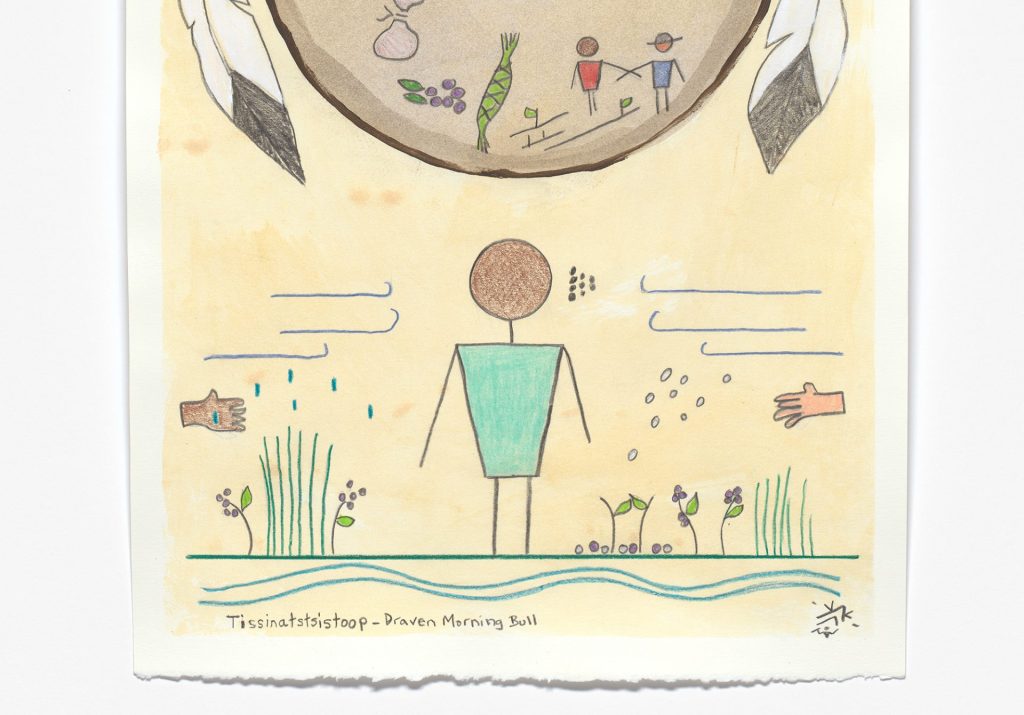
Mentored by award-winning Blackfoot Artist Adrian Stimson, several youth from the Piikani Nation in southern Alberta explored what it means to be resilient in the face of a warming planet. These are excerpts from Draven Morning Bull’s Story of Resilience, where he reflects on the changing climate of the Piikani reserve lands and the growing […]
Climate Week NYC coincides with the annual UNGA

Climate Week NYC, the largest climate-related gathering in the world after the United Nations Conference of the Parties (COP), and the 80th session of the United Nations General Assembly (UNGA) coincided this past September, both taking place in New York City. Guided by this year’s theme of peace, development, and human rights, delegates at the […]
Special Release: Voices from Jasper
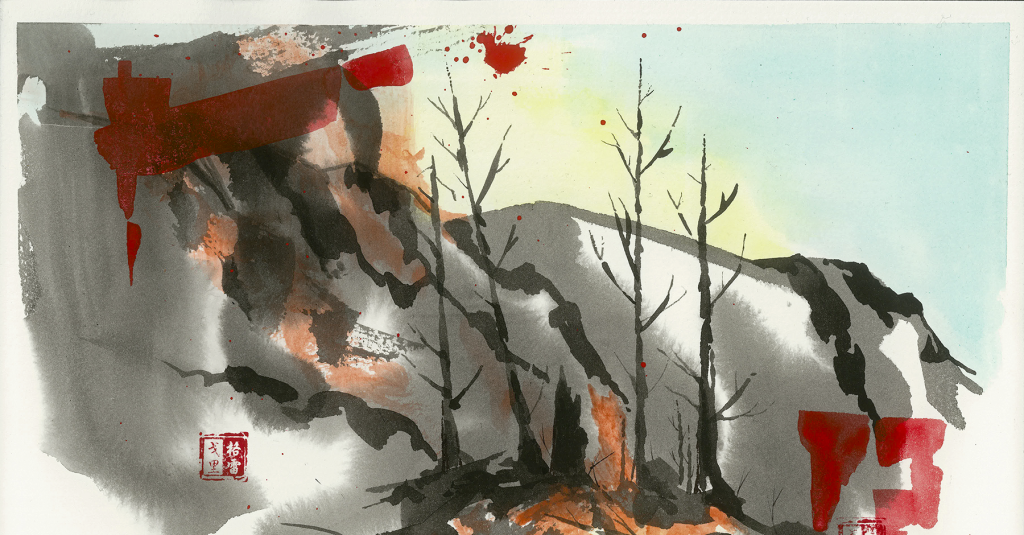
Canada’s Clean50 Top Project of the Year

The Resilience Institute is honoured to announce that they have been named Canada’s Clean50 Top Project of the Year (https://clean50.com) for their collaboration with the Piikani Lands Department on their “Seeding our Future with Sweetgrass” initiative. The Clean50 Award annually recognizes projects from across Canada that have made exceptional contributions to advancing climate sustainability. Projects […]
2025 Spring Update

Inspiring Indigenous Youth through Sweetgrass Programming Featured in a new Documentary by ReGeneration

Independent filmmakers, Carter Kirilenko and Adam Combs, approached The Resilience Institute to explore the inclusion of our work on climate resilience with the Piikani Nation in southern Alberta. They were interested in how Sweetgrass is connecting youth to their cultural heritage and how our partnership exemplifies reconciliation. TRI’s president & CEO spent two days in […]
Roots for Resilience Coastal Communities

As part of Roots for Resilience, a new pan-Canadian program in partnership with the Canadian Red Cross, we are working with two communities in the Bay St. George area in southwestern Newfoundland. Staff from The Resilience Institute (TRI) and the Canadian Red Cross were invited last October to attend a two-day conference on food security […]
Climate News – Brazil Announces Ambitious and Inspiring Goals for COP30

This year, Brazil will host the 30th session of the Conference of the Parties (COP30) to the United Nations Framework Convention on Climate Change (UNFCCC). We welcome the inspiring words shared by COP30’s president-designate, His Excellency Ambassador André Corrêa do Lago, Secretary for Climate, Energy, and Environment at the Ministry of Foreign Affairs of Federative […]
Stories of Resilience – Voices from Jasper

Stories of Resilience – Voices from Jasper is a new installment of one of TRI’s signature programs, Stories of Resilience, designed to explore resilience in its many forms – personal, collective, and environmental. Phase I of Stories of Resilience – Voices from Jasper is creating a space for Jasper residents from diverse backgrounds to reflect […]
2024 Winter Update