How we make knowledge accessible

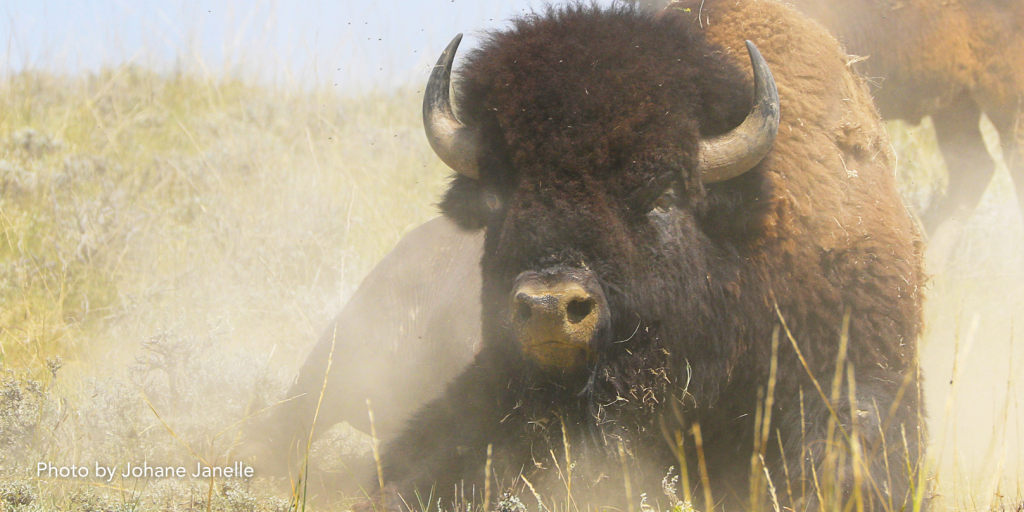
Our online courses continue to play an important role in making high-quality, practical knowledge more accessible, and the recent offering of Bison and Climate Change: Care, Connection, and Good Practices is an example of that mission in action. Learners have described the course as “richly informative, contextualizing, and practical advice for anyone looking to take part (or deepen their existing role) in the Continental Bison/Buffalo Movement.”  

Engagement has been strong across sessions, with over 50 learners having completed the course so far. Each session has also included two optional live gatherings, offering learners the chance to meet Wes Olson—an acclaimed expert with over three decades of bison-related experience—and to connect face-to-face with one another.
Our courses feature a dedicated Community Space giving participants an easy place to connect and share what they’re learning. 

Accessibility to information continues to guide the way we design our courses. There are no prerequisites, the courses are self-paced, and the material is created to be approachable for learners with a wide range of backgrounds.   

As we expand our suite of online learning opportunities, we remain committed to creating spaces where people can deepen their understanding of climate resilience, connect with others working toward sustainable futures, and engage with knowledge that is practical and relevant.  
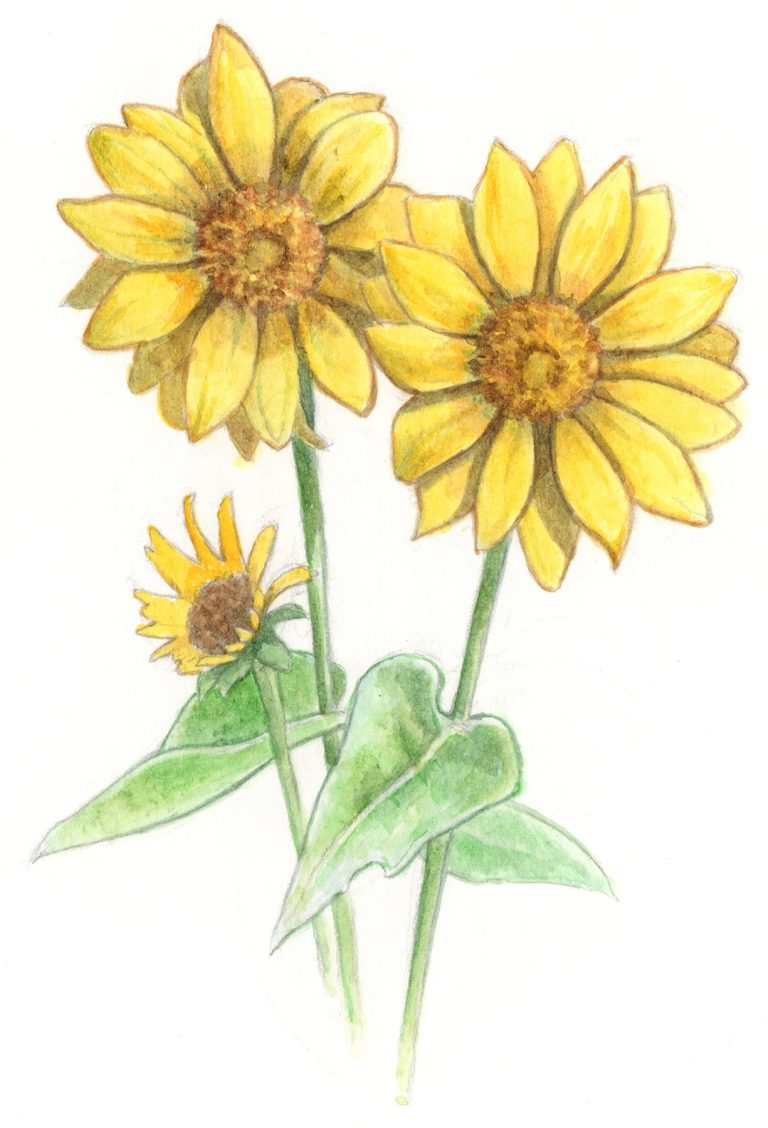
Above photos by Johane Janelle
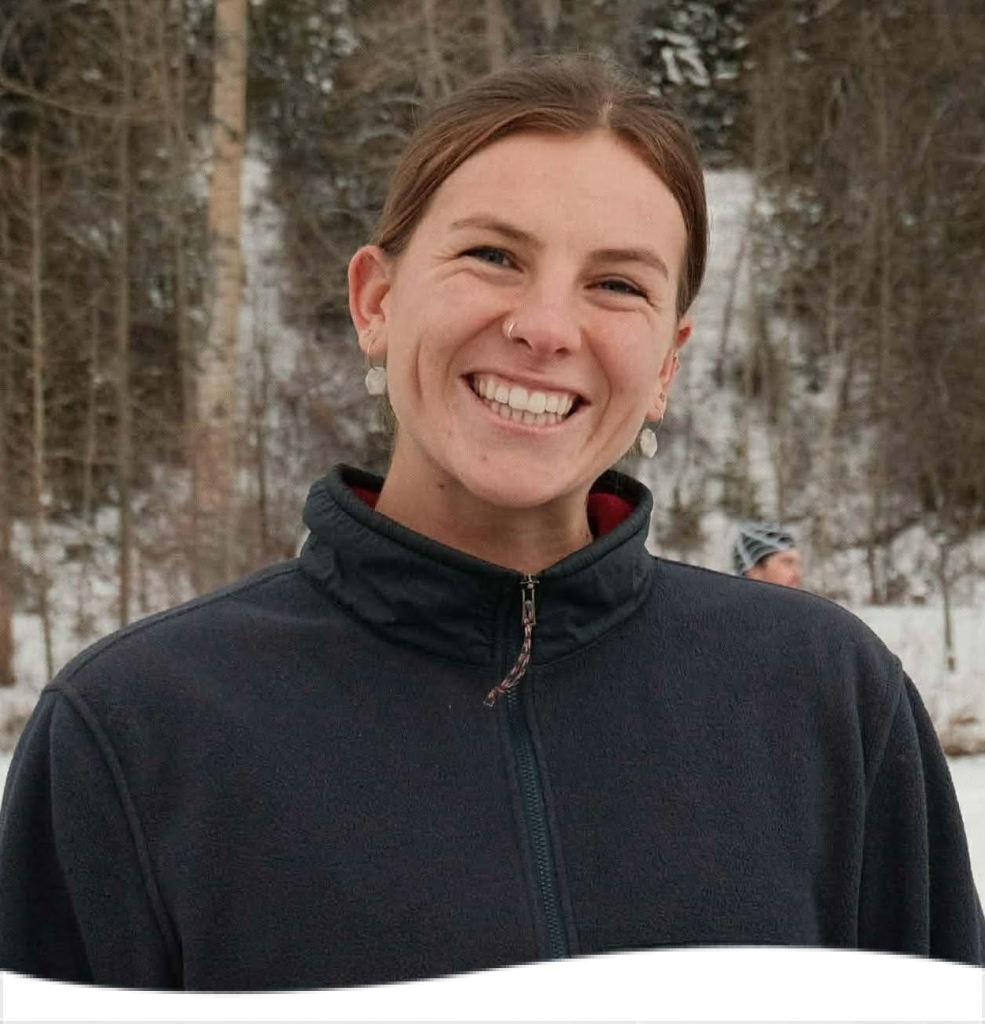
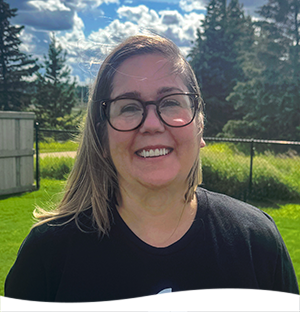
Laura Stewart

Board Member

Laura Stewart is the Community Wildfire Resilience Coordinator with Forsite Fire, supporting communities across Canada with wildfire risk assessments, mitigation planning, and program delivery. She has more than a decade of experience advancing wildfire resilience at Indigenous, municipal, provincial/territorial, and national levels. Previously, Laura served nearly eleven years as Alberta’s Provincial FireSmart Specialist, leading community, WUI, neighbourhood, and Home Ignition Zone programs, coordinating funding, and partnering with communities and fire services across the province. She has also served as Board Chair with both the Partners in Protection Association (FireSmart Canada) and the Community Wildfire Resilience Association of Alberta.


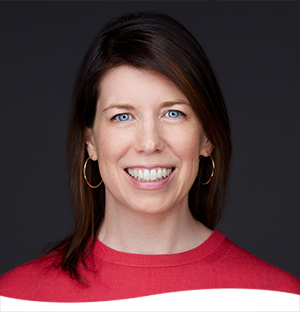
Sara Walsh, PhD

Board Member

Sara Walsh, PhD, is a disaster risk reduction and climate resilience specialist with more than 15 years of experience spanning Canada, Nepal, the Middle East, and North Africa. Until November 2025, she served as Thematic Lead for Climate and Resilience with the International Federation of Red Cross and Red Crescent Societies (IFRC), where she supported Red Cross and Red Crescent Societies to strengthen their climate and risk reduction work across the region. Sara currently works as a freelance consultant with the United Nations, governments, and humanitarian organizations on recovery, risk governance, and community-based resilience. She teaches at a Canadian university and holds a PhD in Disaster Risk Reduction. Her work emphasizes anticipatory action, equity, and bridging research with practice to shape more resilient and sustainable futures.

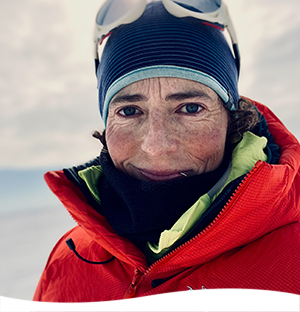
Alison Criscitiello

Board Member

Alison Criscitiello, PhD, is an ice core scientist and high-altitude mountaineer who explores the history of climate and sea ice in polar and high-alpine regions using ice core chemistry. Alison’s work also focuses on environmental contaminant histories in ice cores from the Canadian high Arctic and the water towers of the Canadian Rockies. In 2010, she led the first all-women’s ascent of Lingsarmo, a 22,818-foot peak in the Indian Himalaya. Alison has earned three American Alpine Club (AAC) climbing awards, the John Lauchlan and Mugs Stump alpine climbing awards, as well as the first Ph.D. in Glaciology ever conferred by MIT. She is an Assistant Professor and the Director of the Canadian Ice Core Lab at the University of Alberta. She is the co-founder of Girls on Ice Canada.