The Definity Foundation Grant Announcement

We are excited to share that The Resilience Institute has received a new grant from the Definity Foundation to advance climate solutions that support thriving, resilient rural and Indigenous communities, primarily in Alberta and across Canada.  

This funding will also help our team to strategize on what being relevant means in new contexts, strengthen our organizational capacity, and help build the newly formed Adaptation Action Fundclick here for more details! 

Alignment with the Definity Foundation underscores our commitment to partnering with funders that are aligned with our values.  

We are grateful to the Definity Foundation for their support and looking forward to partnering with their team in advancing equitable solutions to climate challenges. Definity Foundation supports communities across Canada in pursuing climate, health, social, and economic justice. With a particular focus on equity, they support solutions that address systemic barriers, especially those faced by Black, Indigenous, and other racialized communities.

To learn more about the Definity Foundation, visit their website. 
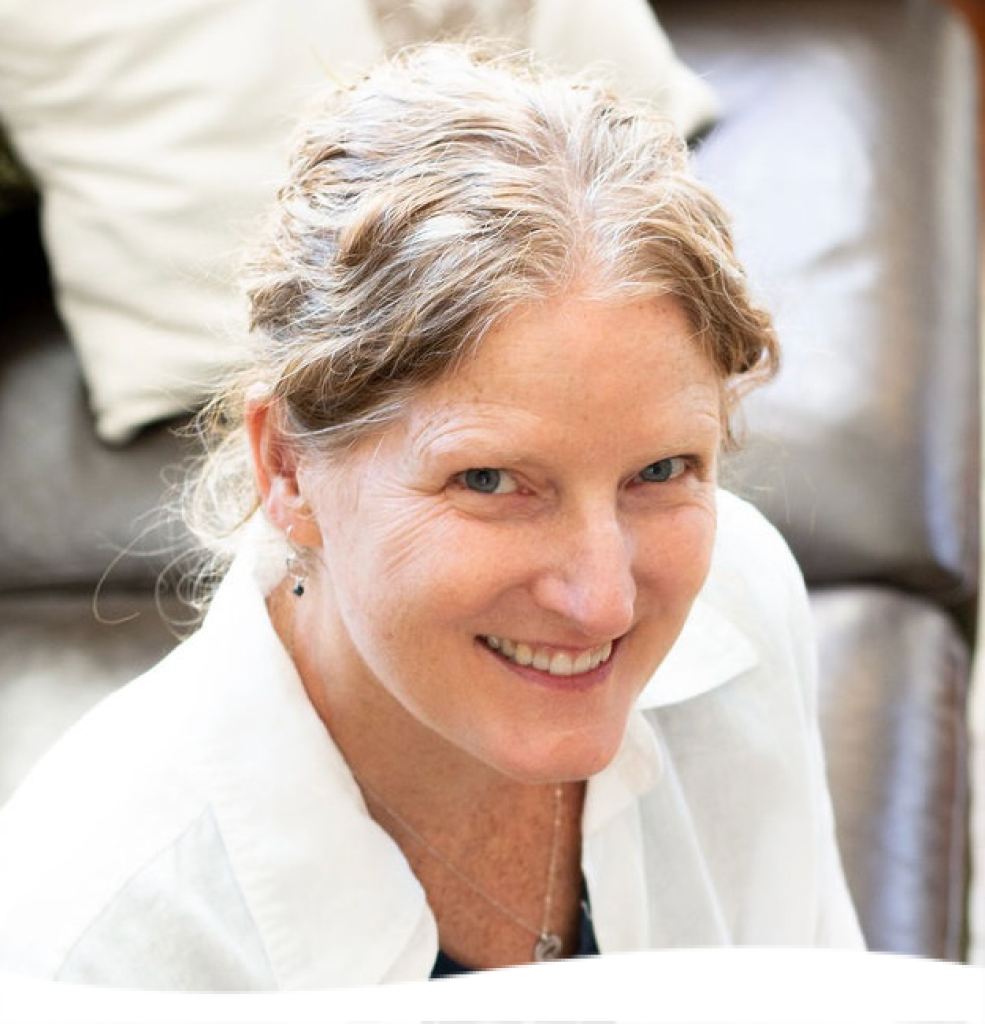
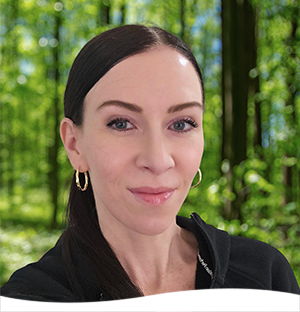
Jill Decker

Controller

Jill brings 20 years of experience in financial reporting, assurance, and compliance, with a strong specialization in the not-for-profit sector.  She holds a Bachelor of Commerce (Accounting) from the University of Saskatchewan (2005) and a CPA (CA) designation, earned in 2010. Jill’s background in public practice has provided her with the opportunity to work with a variety of not-for-profit organizations in Alberta, as well as the joy of serving Canada’s Arctic over the past decade, supporting organizations in the Qikiqtaaluk Region of Nunavut. 

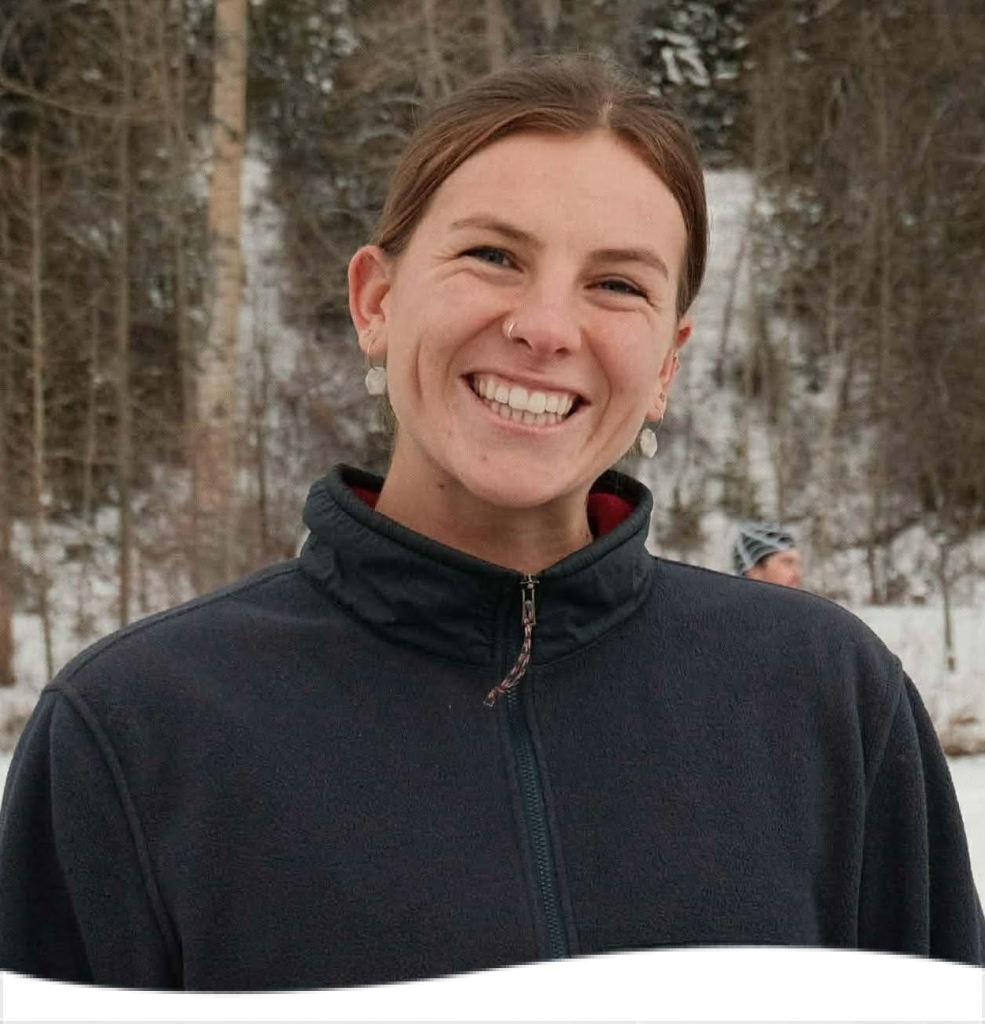
Cassidy Grimes

Climate Analyst & Coordinator

Cassidy holds a Master’s degree in Climate Change from the University of Waterloo, where she studied topics such as climate science, climate mitigation and adaptation strategies, and community planning for climate change. Cassidy is passionate about supporting communities in preparing for and adapting to climate change through education, community engagement, and applied research. Her work focuses on fostering climate resilience by connecting scientific knowledge with local experiences and community-driven solutions.

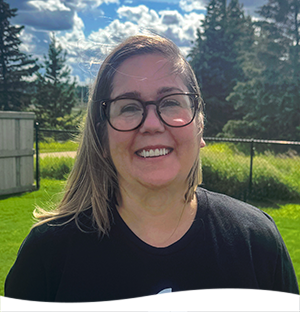
Laura Stewart

Board Member

Laura Stewart is the Community Wildfire Resilience Coordinator with Forsite Fire, supporting communities across Canada with wildfire risk assessments, mitigation planning, and program delivery. She has more than a decade of experience advancing wildfire resilience at Indigenous, municipal, provincial/territorial, and national levels. Previously, Laura served nearly eleven years as Alberta’s Provincial FireSmart Specialist, leading community, WUI, neighbourhood, and Home Ignition Zone programs, coordinating funding, and partnering with communities and fire services across the province. She has also served as Board Chair with both the Partners in Protection Association (FireSmart Canada) and the Community Wildfire Resilience Association of Alberta.


Sara Walsh, PhD

Board Member

Sara Walsh, PhD, is a disaster risk reduction and climate resilience specialist with more than 15 years of experience spanning Canada, Nepal, the Middle East, and North Africa. Until November 2025, she served as Thematic Lead for Climate and Resilience with the International Federation of Red Cross and Red Crescent Societies (IFRC), where she supported Red Cross and Red Crescent Societies to strengthen their climate and risk reduction work across the region. Saracurrently works as a freelance consultant with the United Nations, governments, and humanitarian organizations on recovery, risk governance, and community-based resilience. Sara teaches at a Canadian university and holds a PhD in Disaster Risk Reduction. Her work emphasizes anticipatory action, equity, and bridging research with practice to shape more resilient and sustainable futures.

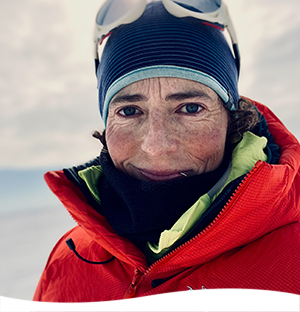
Alison Criscitiello

Board Member

Alison Criscitiello, PhD, is an ice core scientist and high-altitude mountaineer who explores the history of climate and sea ice in polar and high-alpine regions using ice core chemistry. Alison’s work also focuses on environmental contaminant histories in ice cores from the Canadian high Arctic and the water towers of the Canadian Rockies. In 2010, she led the first all-women’s ascent of Lingsarmo, a 22,818-foot peak in the Indian Himalaya. Alison has earned three American Alpine Club (AAC) climbing awards, the John Lauchlan and Mugs Stump alpine climbing awards, as well as the first Ph.D. in Glaciology ever conferred by MIT. She is an Assistant Professor and the Director of the Canadian Ice Core Lab at the University of Alberta. She is the co-founder of Girls on Ice Canada.