What does resilience mean for Atlantic Canada?

Southwestern Newfoundland’s climate is changing, and communities across the region are already feeling the effects. Through the Roots for Resilience program, The Resilience Institute and the Canadian Red Cross are working with communities to better understand these changes and efforts to build resilience.  

As part of this work, we are creating the Signs of Change in a Warming World report that will offer insights into how the impacts of climate change are being felt and observed in the region today and what future impacts could mean for life in southwestern Newfoundland in the decades ahead.  

The report will draw from the latest in scientific climate projections for the region, which range from extreme heat to shifting seasons to rising seas, mirroring many of the changes residents in the region are already experiencing. It will also be informed by local community knowledge, highlighting on-the-ground changes community members are experiencing and how these shifts are impacting their everyday lives. 

In partnership with People of the Dawn Indigenous Friendship Centre (PDIFC), the project team will also be facilitating a Stories of Resilience journey with a focus on land-based learning.
The "Stories of Resilience" logo, with a colourful phoenix in the middle.

Stories of Resilience, a signature program of The Resilience Institute, brings people together through personal narratives and creative exploration, deepening our understanding of what resilience means in the context of climate change.  

You can visit our website to read and explore stories from residents of British Columbia, Canada; Jasper in the Canadian Rockies; the Piikani Nation of southern Alberta, and more: Stories of Resilience
Laura Stewart

Board Member

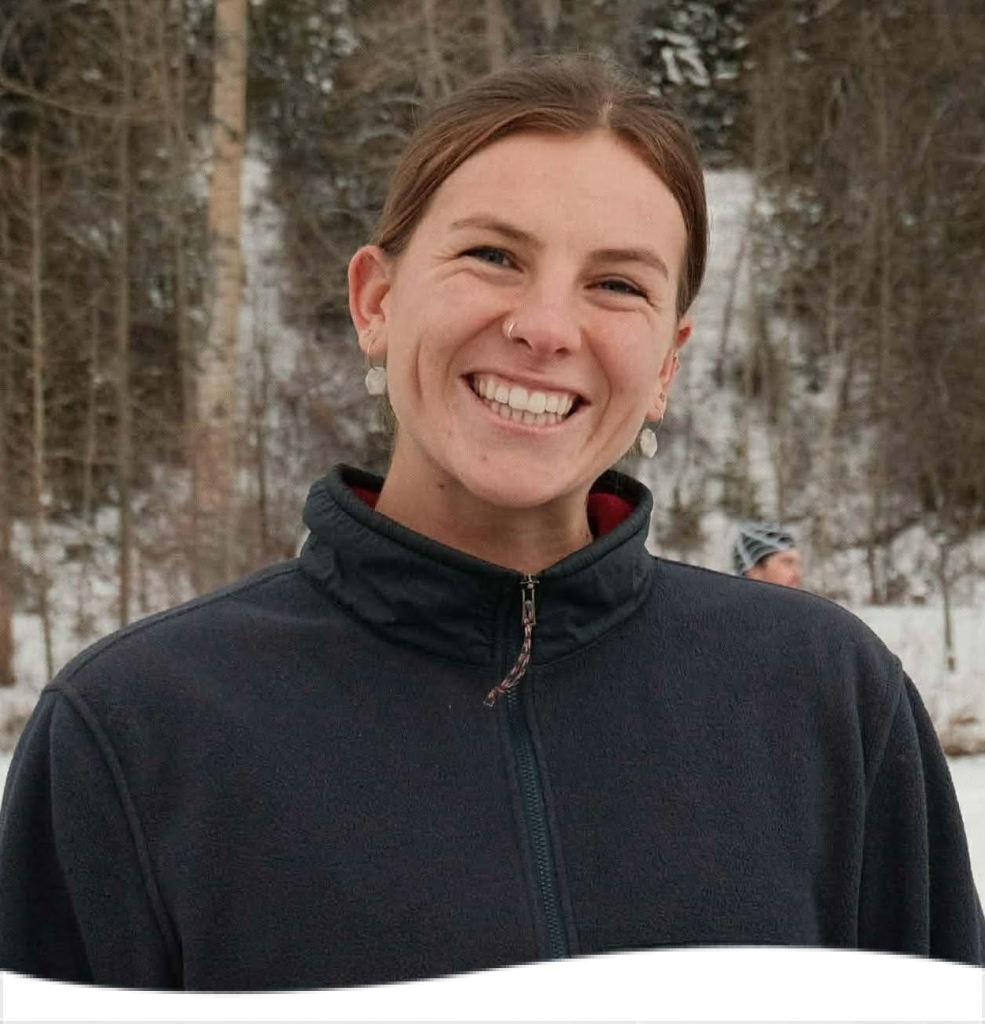
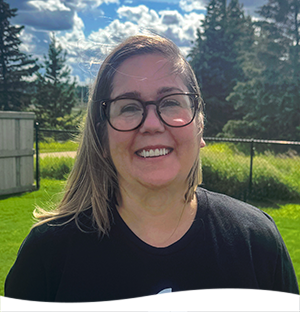
Laura Stewart is the Community Wildfire Resilience Coordinator with Forsite Fire, supporting communities across Canada with wildfire risk assessments, mitigation planning, and program delivery. She has more than a decade of experience advancing wildfire resilience at Indigenous, municipal, provincial/territorial, and national levels. Previously, Laura served nearly eleven years as Alberta’s Provincial FireSmart Specialist, leading community, WUI, neighbourhood, and Home Ignition Zone programs, coordinating funding, and partnering with communities and fire services across the province. She has also served as Board Chair with both the Partners in Protection Association (FireSmart Canada) and the Community Wildfire Resilience Association of Alberta.


Sara Walsh, PhD

Board Member

Sara Walsh, PhD, is a disaster risk reduction and climate resilience specialist with more than 15 years of experience spanning Canada, Nepal, the Middle East, and North Africa. Until November 2025, she served as Thematic Lead for Climate and Resilience with the International Federation of Red Cross and Red Crescent Societies (IFRC), where she supported Red Cross and Red Crescent Societies to strengthen their climate and risk reduction work across the region. Sara currently works as a freelance consultant with the United Nations, governments, and humanitarian organizations on recovery, risk governance, and community-based resilience. She teaches at a Canadian university and holds a PhD in Disaster Risk Reduction. Her work emphasizes anticipatory action, equity, and bridging research with practice to shape more resilient and sustainable futures.

Alison Criscitiello

Board Member

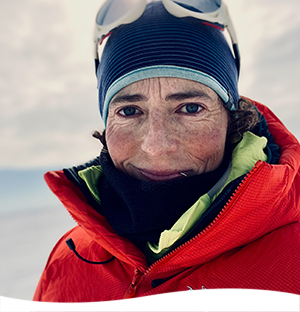
Alison Criscitiello, PhD, is an ice core scientist and high-altitude mountaineer who explores the history of climate and sea ice in polar and high-alpine regions using ice core chemistry. Alison’s work also focuses on environmental contaminant histories in ice cores from the Canadian high Arctic and the water towers of the Canadian Rockies. In 2010, she led the first all-women’s ascent of Lingsarmo, a 22,818-foot peak in the Indian Himalaya. Alison has earned three American Alpine Club (AAC) climbing awards, the John Lauchlan and Mugs Stump alpine climbing awards, as well as the first Ph.D. in Glaciology ever conferred by MIT. She is an Assistant Professor and the Director of the Canadian Ice Core Lab at the University of Alberta. She is the co-founder of Girls on Ice Canada.