
You can support communities on the frontlines of climate impacts – before the disaster

As wildfires, extreme heat, and wildfire smoke continue to worsen due to climate change, our work helps prepare citizens in multiple ways, from understanding the risks they face to building the knowledge, skills, and mental preparedness needed to navigate what summers increasingly look like in Canada.  

This work happens before the fire, before the evacuations, and before the destruction. It is often less visible than emergency response efforts and does not typically result in high-profile appeals. Yet investing in preparedness and resilience is essential, particularly as climate projections point to hotter summers and more frequent climate-related disasters in the years ahead.  

Adaptation Action Impact Spotlight 

One example of this work began with a Climate Risk and Vulnerability Assessment completed in partnership with the Otipemisiwak Métis Government of the Métis Nation within Alberta.

Together, we identified three urgent priorities for Métis Citizens: water security, food security and its associated cultural impacts, and extreme heat. Thanks to a donation from Definity to TRI’s Adaptation Action Fund, we were able to act on those findings by supporting the Otipemisiwak Métis Government Heat Response Program. This support will enable the delivery of an additional 50 Heat Response Kits, as well as the development of 100 mini heat response kits containing practical resources and items Citizens can use in their homes to stay cool. A portion of these mini kits will be distributed to Elders and other vulnerable Métis Citizens across Alberta, helping them prepare for extreme heat before emergencies become crises. 

“My concern is for the vulnerable, disabled, small children and elderly not having access to a reprieve in hot weather. Unable to afford air conditioning or the means to travel to a mall, library, or other air-conditioned area.”

This is the kind of proactive, community-driven action the Adaptation Action Fund makes possible. Your donation helps communities move beyond identifying climate risks to implementing practical solutions that protect people, reduce future impacts, and build resilience before disaster strikes. 

Did you know that every $1 invested in adaptation saves an estimated $15 USD or more in future recovery costs from climate-related disasters?  

—United Nations Office for Disaster Risk Reduction 
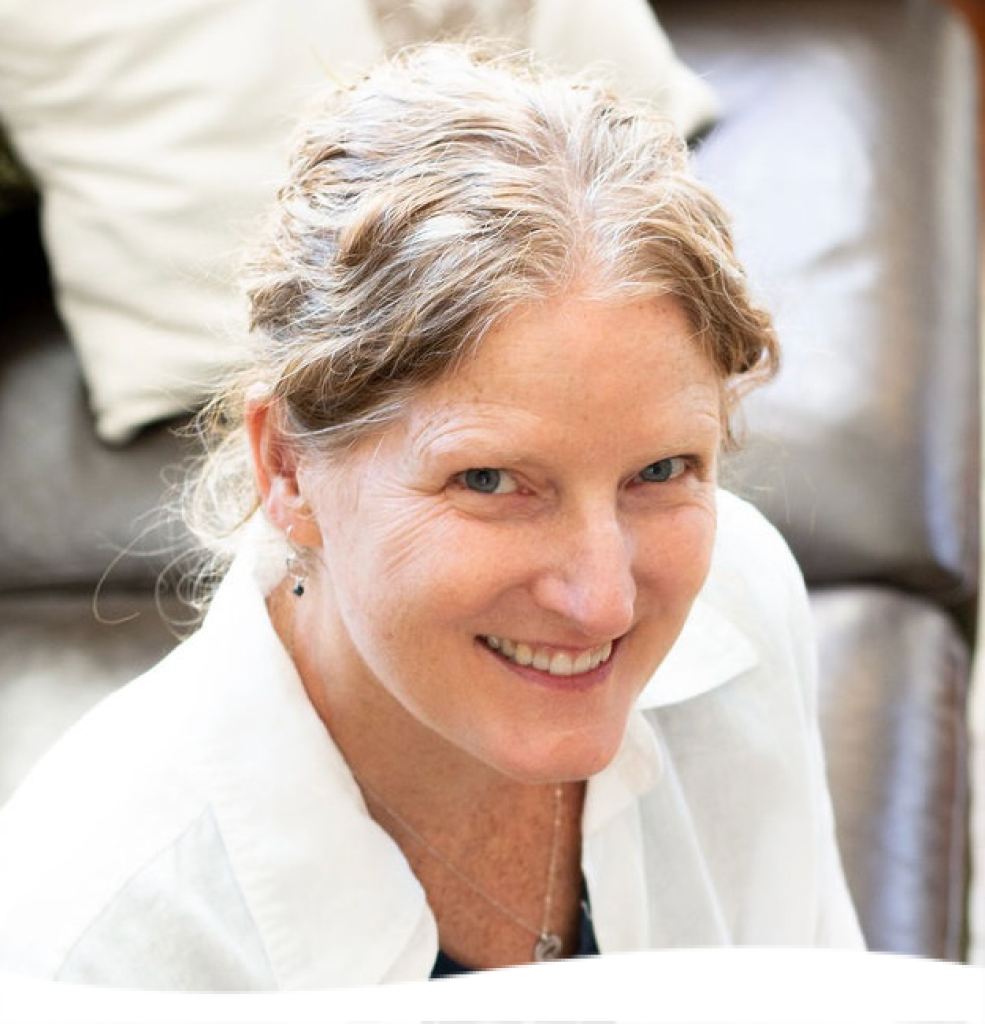
Nakita Rubuliak

Science Communicator and External Engagement Specialist

Nakita is a science communication professional with extensive experience in knowledge synthesis, fieldwork, art and design, and creative collaboration. Using a multidisciplinary lens, her work bridges research and storytelling, translating complex scientific topics into engaging messages and compelling graphics that resonate with a range of audiences.

Before joining TRI, Nakita worked as a Science Illustrator and Writer at Fuse Consulting and later with the Canadian Parks and Wilderness Society, experiences that nurtured her skills in science communication.

Above all, Nakita has a passion for connecting with people and communities, both in person and through visual storytelling. She approaches projects with a place-based lens and a deep respect for diverse perspectives and knowledge systems. 

Jill Decker

Controller

Jill brings 20 years of experience in financial reporting, assurance, and compliance, with a strong specialization in the not-for-profit sector.  She holds a Bachelor of Commerce (Accounting) from the University of Saskatchewan (2005) and a CPA (CA) designation, earned in 2010. Jill’s background in public practice has provided her with the opportunity to work with a variety of not-for-profit organizations in Alberta, as well as the joy of serving Canada’s Arctic over the past decade, supporting organizations in the Qikiqtaaluk Region of Nunavut. 

Cassidy Grimes

Climate Analyst & Coordinator

Cassidy holds a Master’s degree in Climate Change from the University of Waterloo, where she studied topics such as climate science, climate mitigation and adaptation strategies, and community planning for climate change. Cassidy is passionate about supporting communities in preparing for and adapting to climate change through education, community engagement, and applied research. Her work focuses on fostering climate resilience by connecting scientific knowledge with local experiences and community-driven solutions.

Laura Stewart

Board Member

Laura Stewart is the Community Wildfire Resilience Coordinator with Forsite Fire, supporting communities across Canada with wildfire risk assessments, mitigation planning, and program delivery. She has more than a decade of experience advancing wildfire resilience at Indigenous, municipal, provincial/territorial, and national levels. Previously, Laura served nearly eleven years as Alberta’s Provincial FireSmart Specialist, leading community, WUI, neighbourhood, and Home Ignition Zone programs, coordinating funding, and partnering with communities and fire services across the province. She has also served as Board Chair with both the Partners in Protection Association (FireSmart Canada) and the Community Wildfire Resilience Association of Alberta.


Sara Walsh, PhD

Board Member

Sara Walsh, PhD, is a disaster risk reduction and climate resilience specialist with more than 15 years of experience spanning Canada, Nepal, the Middle East, and North Africa. Until November 2025, she served as Thematic Lead for Climate and Resilience with the International Federation of Red Cross and Red Crescent Societies (IFRC), where she supported Red Cross and Red Crescent Societies to strengthen their climate and risk reduction work across the region. Saracurrently works as a freelance consultant with the United Nations, governments, and humanitarian organizations on recovery, risk governance, and community-based resilience. Sara teaches at a Canadian university and holds a PhD in Disaster Risk Reduction. Her work emphasizes anticipatory action, equity, and bridging research with practice to shape more resilient and sustainable futures.

Alison Criscitiello

Board Member

Alison Criscitiello, PhD, is an ice core scientist and high-altitude mountaineer who explores the history of climate and sea ice in polar and high-alpine regions using ice core chemistry. Alison’s work also focuses on environmental contaminant histories in ice cores from the Canadian high Arctic and the water towers of the Canadian Rockies. In 2010, she led the first all-women’s ascent of Lingsarmo, a 22,818-foot peak in the Indian Himalaya. Alison has earned three American Alpine Club (AAC) climbing awards, the John Lauchlan and Mugs Stump alpine climbing awards, as well as the first Ph.D. in Glaciology ever conferred by MIT. She is an Assistant Professor and the Director of the Canadian Ice Core Lab at the University of Alberta. She is the co-founder of Girls on Ice Canada.